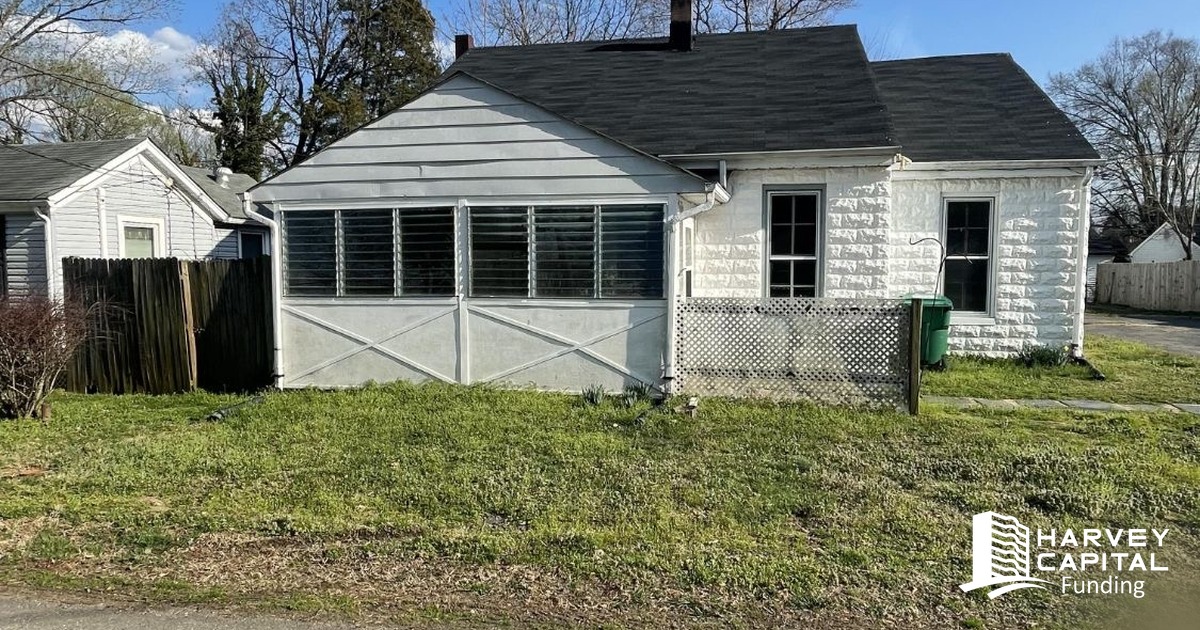
A Highland Springs operator came to us with a single-family house under contract for $155,000 and about $18,000 of work ahead of it. By the time the project was done, the house was worth roughly $250,000. Here's how the deal was structured — and why the operator walked away with his cash still in his pocket.
The deal on paper
- Purchase price: $155,000
- Renovation budget: $18,000
- All-in cost: $173,000
- After-repair value: ~$250,000
- Loan amount: $173,000
- Term: 9 months
- Down payment toward the basis: $0
The number that matters most there is the last one. We funded the full purchase and the full renovation in a single $173,000 loan. The operator didn't put a down payment on the buy and didn't write a separate check for the rehab. He brought his closing costs to the table and nothing else.
Why we could finance the whole thing
Hard money has a reputation for requiring big down payments. The reason is simple: most lenders are protecting themselves against a deal that doesn't pencil. When the numbers are tight, the borrower has to bring cash to make the lender comfortable.
This deal wasn't tight. All-in at $173,000 against a $250,000 finished value is a $77,000 spread. Our loan landed under 70% of the after-repair value — the line we don't cross. When a deal clears that bar, the property itself carries the risk, and we don't need the borrower's cash sitting in the deal to feel good about it.
So the question we ask isn't "how much can the borrower put down?" It's "do the numbers work?" Here, they did.
New borrower, proven operator
This was a new borrower to us. On paper, that's usually where a lender slows down — no history, no track record together, more questions.
But new to us isn't the same as unproven. This operator already owned 22 rental properties, all on long-term financing. Think about what that means. To put permanent debt on 22 houses, he had to qualify, close, and perform 22 times over. An investor who has refinanced into long-term loans that many times has already demonstrated the one thing a short-term lender cares about most: he can get to the finish line and pay the loan back.
That history let us get to yes quickly — and price the loan the same way we'd price it for a borrower we'd known for years. We didn't penalize him for being new. We read what the record actually said.
The renovation money was there when he needed it
A lot of flippers have been burned by the second half of a loan — the rehab money that's supposed to be available but turns into a fight every time they request a draw. A slow draw process can stall a job, push back a sale, and quietly eat the margin the operator worked to build.
On this deal, the $18,000 in renovation funds sat ready to draw against on the operator's schedule, not ours. He requested funds as the work hit each stage, and the money moved. The project never waited on us.
The exit: a clean BRRRR
This was a BRRRR — buy, rehab, rent, refinance, repeat. Once the work was done and the house was worth its $250,000, the operator refinanced into a long-term rental loan, used those proceeds to pay us off, and kept the property as a rental.
He paid us off in under six months on a nine-month note. There was no prepayment penalty for moving early — we don't charge one. When a borrower is ready to pay us back ahead of schedule, that's a good outcome for everyone, and we're not going to tax it.
When the dust settled, he had a renovated rental producing income, his original cash back out of the deal, and no money of his own trapped in the property. That's the entire point of a BRRRR done right — and it's a lot easier to pull off when the lender finances the whole basis instead of asking you to split it.
What an operator should take from this
If you've got a deal where the all-in cost lands comfortably under 70% of the after-repair value, you may not need to bring a down payment at all. The right structure can finance the purchase and the renovation together, keep your cash free for the next acquisition, and get out of your way on the rehab draws.
That's what we look for, and that's how we structure it.
Got a deal?
If you're buying, renovating, and refinancing in Central Virginia and you want a lender who can fund the purchase and the rehab in one loan, move quickly, and let you pay off early without a penalty — let's talk. Tell us about your deal on Discuss My Deal. It takes about a minute, and we'll respond the same day.