Most lenders won't touch vacant land. No house to insure, no rent roll to underwrite, no easy comps to lean on. So when the owner of a coastal infill lot in Wilmington, North Carolina needed capital for a construction project, the conventional path had two doors: sell the lot, or watch the project wait.
He'd owned the lot since 2016. Selling the thing he'd held for eight years — in a coastal market a few minutes from Wrightsville Beach — to fund a build next door wasn't a trade he wanted to make. This is the story of the third door.
The Property
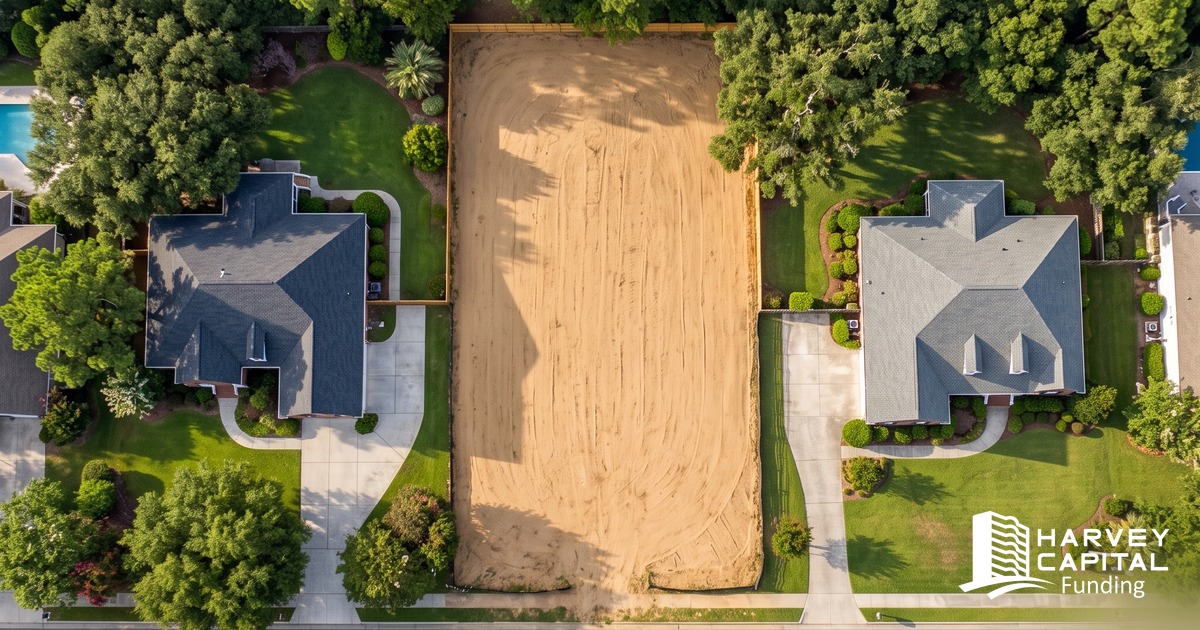
The collateral was a 0.39-acre residential infill lot in an established Wilmington neighborhood. Not raw acreage in the middle of nowhere — a shovel-ready homesite with water and sewer already run to it, surrounded by finished homes on both sides. In land terms, that's about as de-risked as an unimproved parcel gets: the expensive, uncertain site work was already done, and the neighborhood around it was already proven.
The Ask
The owner wasn't buying anything. He needed working capital for a separate build on an adjacent parcel, and the lot represented years of appreciated, idle equity. The structure: a $200,000 first lien against the lot — a cash-out loan on unimproved land — on a nine-month, interest-only term.
How We Underwrote It
Land lending gets a bad name because it's often done badly: high leverage against optimistic values on parcels with no path to a buyer. We approached it the way we approach every loan — start with a value we can defend, then lend well inside it.
- Verified value, not asking-price value. We built our own view of the lot's worth from comparable land sales and a third-party valuation before sizing anything.
- Half the value stays as cushion. The $200,000 loan came in at under 50% of the lot's value. That's our ceiling on land — meaningfully lower than the 70% we'll go to on improved property, because land moves slower when it has to be sold.
- A borrower with real standing. Strong verified income, liquidity in the bank, and an asset he'd owned free of major debt for years. The loan made his project faster; it didn't make him solvent.
- Clean title, actually clean. The title search surfaced an old lien from years back still sitting of record. It was paid and released at closing, so our first lien — and his equity story — started from a clean page.
The Outcome
The loan funded in early July. The owner kept the lot, kept eight years of appreciation working for him, and put $200,000 into his build next door. The loan is active and current.
And yes — the lot is in North Carolina. Our core market is Virginia, but for the right borrower and the right collateral, we'll cross a state line.
What to Take From This
If you're holding land with real equity in it, that equity is not stuck. A first-lien cash-out against a lot can fund the next project without forcing a sale — provided you're working with a lender willing to underwrite land honestly and lend conservatively against it.
The math has to work the same way ours did: a defensible value, leverage low enough that everyone sleeps at night, and a clear plan for the capital. If the deal only pencils at 80% of an optimistic number, it isn't a land loan — it's a bet.
Have a parcel with equity in it and a project waiting on capital? Tell us about both on Discuss My Deal. We'll give you a real answer either way.
Past performance is not indicative of future results.