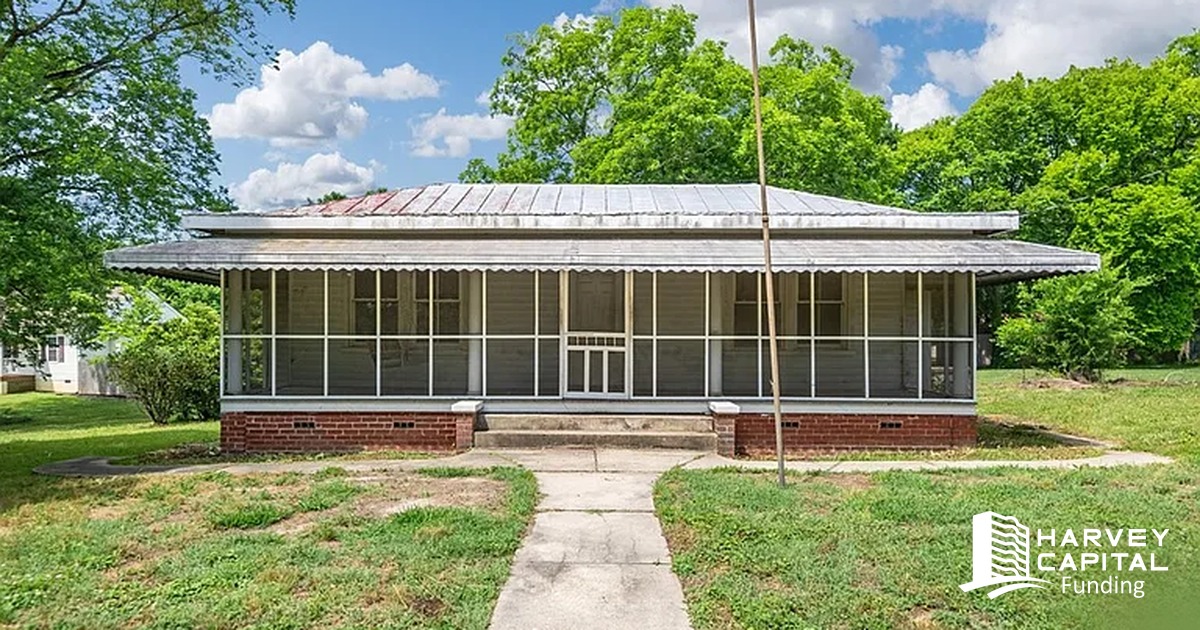
A first-time borrower closed his first loan with us on July 9: a 3-bed, 1-bath single-family in Chesterfield County, bought at $150,000, with a plan to convert it to a 3/2 and hold it as a rental. We funded $185,000 — $132,500 at the closing table and a $52,500 renovation holdback — on a six-month term at roughly 70% of the $265,000 after-repair value.
Those are the numbers. But the numbers aren't the story.
Ten Properties, Nine Passes
This operator first came to us in December. Over the next seven months he brought us ten properties. Nine of them never made it to a closing table.
That's not a struggling investor. That's the opposite. Every one of those nine deals got a real workup — purchase price against comps, rehab scope against ARV, exit math against reality. And nine times, the answer that came back wasn't good enough to bet on. So he didn't.
Most people quit somewhere around the fifth pass. The pressure to "just do a deal" is real — especially when you've been underwriting for months with nothing closed. The operators who last are the ones who can keep saying no until the numbers say yes.
The tenth property held: a solid house at a basis that left room to be wrong, in a county where renovated 3/2s have a clear rental market.
The Plan Got Better Two Days Before Closing
Here's the part worth studying. The loan we originally papered was $177,500 against the house as a 3-bed, 1-bath with a $255,000 ARV.
Two days before closing, the operator finalized a better plan: add a second full bathroom and move the laundry inside. A 3/2 with interior laundry rents faster, rents higher, and appraises stronger than a 3/1 — in this case, it moved our ARV to $265,000.
A better plan needed a bigger loan. We re-ran the numbers, re-papered the loan at $185,000 — still right at 70% of the new ARV — and closed on the original date. How and why we do that is its own article: When the Plan Changes Mid-Deal, Your Loan Should Too.
How the Loan Is Structured
- $132,500 funded at closing toward the $150,000 purchase.
- $52,500 held back for renovation, released in draws as completed work is verified against a costed scope. The holdback isn't a hurdle — it's how the renovation budget stays intact until it's earned.
- Six-month term, sized for a conversion of this scope with room to lease.
- Exit: hold as a rental — renovate, lease, then refinance into long-term debt.
The loan is active as of this writing; we'll update this page when the project reaches its exit.
What to Take From This Deal
1. The margin is made on the buy. Nine passes is what "buying right" actually looks like from the inside. It's slow and it's boring, and it's why this deal works.
2. Upgrade the plan when the numbers support it. The second bath wasn't scope creep — it was a value decision that the ARV backed up.
3. Structure follows the plan, not the other way around. When the plan improved, the loan changed to match it. A papered loan should never force you to build the wrong project.